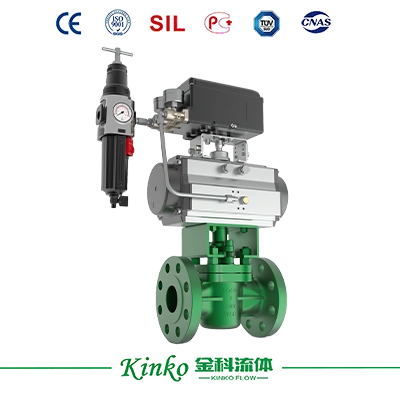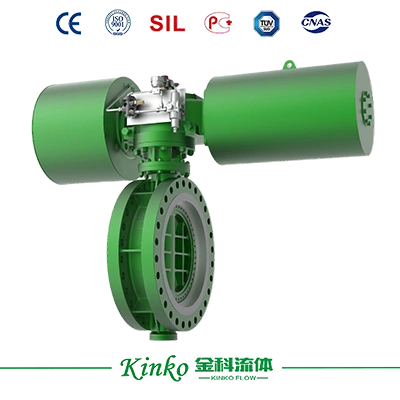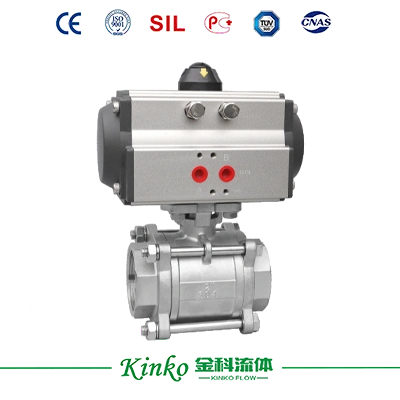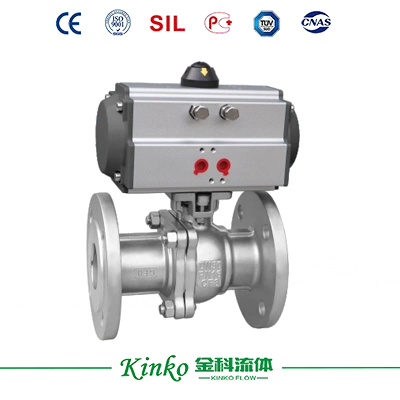

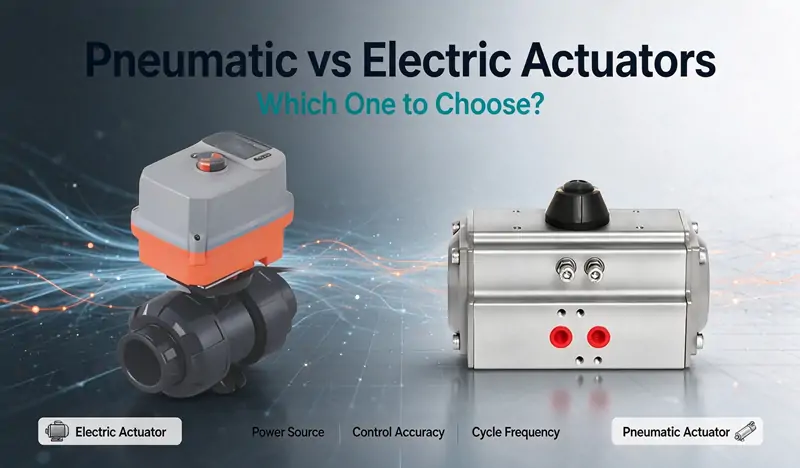
Choosing between pneumatic and electric actuators depends on the available power source, required control accuracy, cycle frequency, and environmental conditions. Pneumatic actuators are generally preferred for fast on-off control and hazardous areas where compressed air is available. Electric actuators are suitable for precise modulating control and remote locations where an air supply is not practical. Understanding the full range of industrial valves and actuators is the first step in making the right selection.
How Pneumatic Actuators Work
Pneumatic actuators convert compressed air into mechanical motion, typically using a rack-and-pinion or scotch-yoke mechanism. When air is supplied to the cylinder, it drives the piston to rotate or lift the valve stem. For example, when paired with pneumatic ball valves, they provide fast quarter-turn operation. These setups are widely used in applications requiring frequent cycling and reliable spring-return fail-safe mechanisms.
How Electric Actuators Work
Electric actuators use an electric motor and a gear train to generate torque. They are commonly used for both quarter-turn and multi-turn applications. Many electric models include built-in positioning capabilities, allowing for precise flow regulation without the need for an external air supply. You can review the different electric actuator configurations to understand the available control modes, such as on-off or modulating.
Key Differences Between Pneumatic and Electric Actuators
The table below outlines the main selection factors to consider.
| Selection Factor | Pneumatic Actuator | Electric Actuator |
|---|---|---|
| Power Source | Requires a compressed air supply | Requires an electrical power supply |
| Response Speed | Fast cycling, suitable for frequent on-off operations | Controlled movement, suitable for modulating control |
| Positioning Accuracy | Requires a positioner for precise modulation | Often features built-in precise positioning |
| Fail-Safe Operation | Spring-return models provide reliable fail-safe action | Requires backup power or battery for fail-safe |
| Environment | Suitable for high-temperature or hazardous areas (with ATEX options) | Requires explosion-proof enclosures for hazardous areas |
| Maintenance | Requires air preparation (filter regulator) | Requires periodic electrical inspection |
When to Choose a Pneumatic Actuator
Pneumatic actuators may be the preferred option in several scenarios:
- Frequent Cycling: For applications requiring rapid opening and closing, pneumatic systems typically respond faster.
- Hazardous Environments: Pneumatic systems do not generate sparks, making them inherently safe for certain explosive atmospheres. This is why they are heavily used in petrochemical processing and chemical plants.
- High-Torque Demands: Scotch-yoke pneumatic actuators can deliver high torque for large valves.
- Air Supply Availability: If the plant already has a reliable instrument air system, pneumatic automation can be highly cost-effective.
When to Choose an Electric Actuator
Electric actuators are often the better fit for these conditions:
- No Air Supply: For remote pipelines, water treatment plants, or skids where running an air line is expensive or impractical.
- Precise Modulating Control: Applications requiring accurate flow control (e.g., 4-20mA signal) benefit from the built-in positioning of electric actuators.
- Low Cycle Frequency: In applications where the valve operates infrequently, electric actuators avoid the need to maintain a pressurized air supply.
- Remote Monitoring: Many modern electric actuators support remote diagnostics, suitable for automated process plants.
Actuator Selection Checklist
Use this checklist to organize your requirements before selecting an actuator:
- Valve type and required torque confirmed
- Available power source verified (compressed air or electricity)
- Required cycle frequency and response speed defined
- Control mode selected (on-off or modulating)
- Fail-safe position determined (fail-open, fail-close, fail-in-place)
- Environmental conditions assessed (hazardous area, temperature, IP rating)
- Required valve accessories identified (solenoid, limit switch, positioner)
If you are still unsure which option fits your specific process conditions, you can discuss your requirements with our engineers for a technical recommendation.
FAQ
Which actuator is better for modulating control?
Electric actuators are often preferred for precise modulating control because they can receive a direct control signal (such as 4-20mA) and position themselves accurately. Pneumatic actuators can also achieve precise modulating control, but they typically require an electro-pneumatic positioner.
Can pneumatic actuators be used in hazardous areas?
Yes, pneumatic actuators are frequently used in hazardous areas because they do not rely on electricity to generate motive force. However, any electrical accessories attached to them (such as solenoid valves or limit switches) must be appropriately rated for the hazardous area.
Do pneumatic actuators require a lot of maintenance?
Pneumatic actuators generally require minimal maintenance but rely on a clean, dry air supply. Installing a filter regulator to remove moisture and particulate matter can help extend the service life of the internal seals and components.
What is the typical lifespan of an electric actuator?
The lifespan varies depending on operating frequency, load, and environmental conditions. Electric actuators with proper motor protection and regular maintenance can provide reliable service for many years, though specific performance should be verified with the supplier based on your application.