

The Demanding Requirements for Valves in the Petrochemical Industry

The petrochemical industry involves flammable and explosive media, highly corrosive chemicals, and high-temperature, high-pressure operating conditions. Valve and actuator failures can lead to fires, explosions, environmental pollution, and production shutdowns. The core challenges include:

  • Explosion-Proof Compliance: Valves and actuators must meet ATEX/IECEx certification to prevent ignition sources in hazardous zones.
  • Corrosion Resistance: Strong acids, alkalis, chlorine gas, and other corrosive media demand high-performance materials.
  • High Temperature & High Pressure: Steam, hot oil, and high-pressure pipelines require robust sealing and structural integrity.
  • Safety & Reliability: Leakage can result in fires, explosions, and environmental contamination.
upload/1c/202608/rd-yanfa.webp

KINKO's Commitment

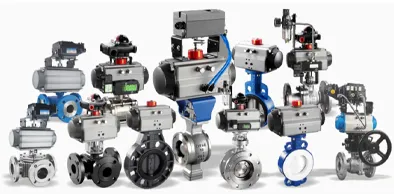
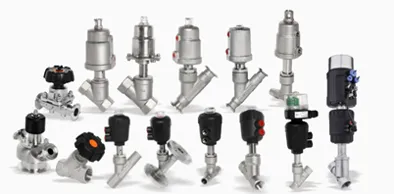
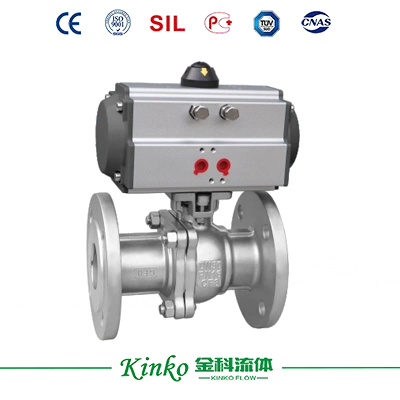
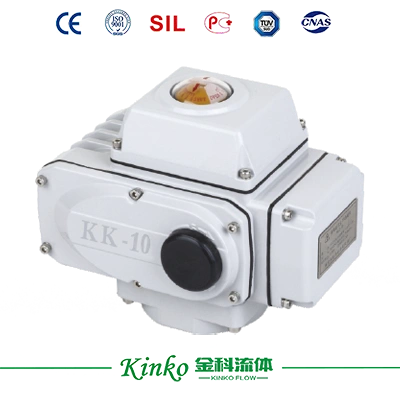
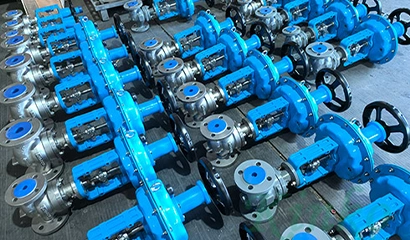
KINKO understands the critical safety and reliability requirements of the petrochemical industry. We provide ATEX-certified explosion-proof actuators, corrosion-resistant valves with material options from WCB to Hastelloy C276, and SIL3-rated safety solutions for emergency shutdown systems. Our products are engineered to perform under the harshest conditions, helping clients maintain safe and continuous operations.

Get Industry Solutions Arrow icon

Core Solutions

Explosion-Proof Valve Control
  • ATEX/IECEx certified
  • IP68 protection
  • SIL3 safety integrity
Corrosion-Resistant Fluid Control
  • Hastelloy C276 / PTFE lining
  • Zero leakage
  • API607 fire-safe certified
High-Temp & High-Pressure Regulation
  • SIL3 certified
  • Temperature up to 450°C
  • Pressure up to Class 900

Related Recommended Products

FAQ

What explosion-proof certifications do KINKO actuators hold for petrochemical hazardous areas?
Our actuators are ATEX (II 2 G Ex db IIB T4 Gb) and IECEx certified, suitable for Zone 1 and Zone 2 hazardous areas. SIL3 certification is also available for safety-critical applications such as ESD and HIPPS systems.
What corrosion-resistant material options are available for handling aggressive chemicals like chlorine, acids, and alkalis?
Valve bodies can be supplied in WCB, CF8, CF8M, 316L, Hastelloy C276, and PTFE-lined options. Seals are available in PTFE, PEEK, and other high-performance polymers to match specific chemical resistance requirements.
What is the maximum temperature and pressure rating for KINKO valves in petrochemical service?
Standard designs handle temperatures from -40°C to +450°C and pressures up to Class 900 (15.3MPa). Custom high-temperature designs up to 620°C are available for specialized applications such as steam and thermal oil systems.
How does SIL3 certification benefit petrochemical plant safety systems?
SIL3 (Safety Integrity Level 3) certification ensures the valve meets the highest reliability standards for critical safety loops. This certification is typically required for Emergency Shutdown (ESD) and High-Integrity Pressure Protection Systems (HIPPS) in petrochemical facilities.
Get a Quote
News & Blog
The Working Principle of The Regulating Valve
The regulating valve is a key piece of equipment used to accurately control the flow of fluids (gas, liquids, or steam) ...
2026.09.03
Learn more
How to install a straight stroke pneumatic actuator?
The installation of straight-stroke pneumatic actuators should follow strict steps and precautions to ensure their effic...
2026.08.12
Learn more
Introduction To The Stroke and Control Mode of Electric Actuators
According to the movement form, the electric actuator can be divided into straight stroke, angular stroke and multi-turn...
2026.08.05
Learn more
onlineCONTACT
We value your privacy
We use cookies to provide you with a better online experience, analyse and measure website usage, and assist in our marketing efforts.
Accept All
Don't Accept