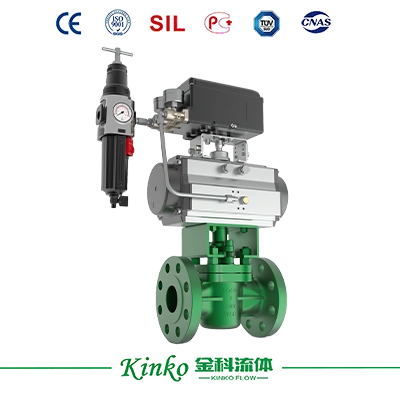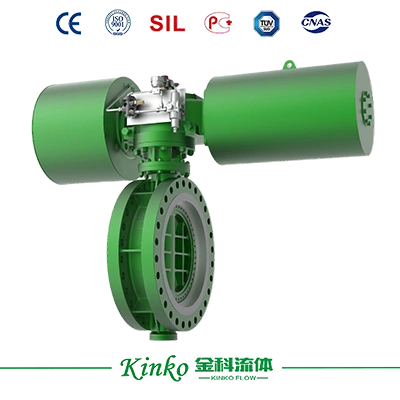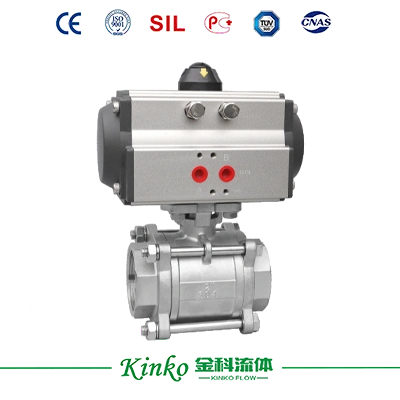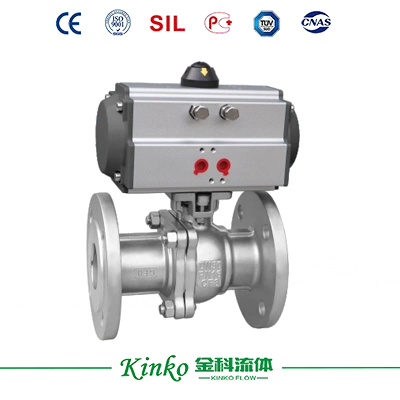

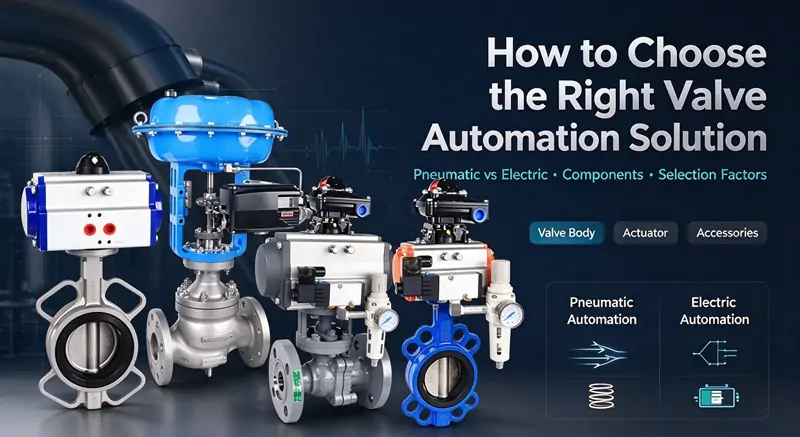
Selecting a valve automation solution starts with understanding the process medium, pressure, temperature, and required control mode. The right setup usually combines a valve body, industrial valves and actuators, and necessary accessories such as positioners or limit switches. The choice between pneumatic and electric actuation depends on available power sources, response speed, fail-safe requirements, and environmental conditions.
What Is Valve Automation?
Valve automation refers to the use of an actuator and related accessories to operate a valve remotely or automatically. Instead of manual operation, the valve responds to a control signal, air supply, or electrical command. A typical automation system includes the valve body, the actuator (pneumatic or electric), and accessories that provide feedback, control, or air preparation.
Core Components of a Valve Automation System
A complete valve automation setup generally consists of four parts:
- Valve Body – Options range from ball valves and butterfly valves to industrial control valves and angle seat valves, depending on the flow control task.
- Actuator – Pneumatic actuators use compressed air, while electric actuators use electrical power. Each type has specific advantages in different applications.
- Accessories – Positioners, limit switch boxes, solenoid valves, and filter regulators help control, monitor, and maintain the system.
- Control Interface – The signal source, such as a PLC, DCS, or manual switch, that commands the actuator to open, close, or modulate.
Pneumatic vs Electric Valve Automation
Choosing between pneumatic and electric automation depends on site conditions and operational priorities. The table below summarizes key differences.
| Selection Factor | Pneumatic Automation | Electric Automation |
|---|---|---|
| Power Source | Compressed air supply | Electrical power supply |
| Response Speed | Fast cycling, suitable for on-off control | Controlled movement, suitable for modulating control |
| Positioning Accuracy | Requires a positioner for precise control | Built-in positioning capability in many models |
| Fail-Safe Operation | Spring-return actuators provide fail-open or fail-close | Requires backup power or battery for fail-safe |
| Environment | Suitable for hazardous areas with ATEX options | Available with explosion-proof enclosures |
| Maintenance | Requires air preparation and filter maintenance | Requires electrical inspection and motor protection |
Key Selection Factors Before Requesting a Quote
Before contacting a supplier, buyers should prepare the following information:
- Medium: Water, steam, air, gas, oil, chemical liquids, slurry, or hygienic fluids.
- Pressure: Inlet pressure, outlet pressure, and differential pressure.
- Temperature: Operating temperature range and maximum temperature.
- Flow Rate: Normal, minimum, and maximum flow.
- Valve Size and Connection: Pipe size, threaded, flanged, tri-clamp, or welded.
- Control Mode: On-off, modulating, or emergency shutdown.
- Fail-Safe Position: Fail-open, fail-close, or fail-in-place.
- Power or Air Supply: Voltage, frequency, air pressure, and air quality.
- Environment: Indoor/outdoor, humidity, dust, corrosive atmosphere, hazardous area classification.
Common Mistakes to Avoid
- Selecting an actuator only by valve size without calculating torque.
- Ignoring the available air supply or electrical power on site.
- Overlooking the fail-safe requirement for emergency scenarios.
- Choosing accessories without confirming compatibility with the actuator mounting standard.
- Providing incomplete process data, which can lead to incorrect sizing.
Valve Automation Selection Checklist
Use this checklist to organize your requirements before contacting a supplier:
- Valve type and size confirmed
- Medium and concentration identified
- Pressure and temperature range recorded
- Flow rate and control mode defined
- Actuation method selected (pneumatic or electric)
- Fail-safe position determined
- Available power or air supply verified
- Valve accessories required (positioner, limit switch, solenoid, filter regulator)
- Environmental conditions and certifications noted
Next Steps
Once the process data and automation requirements are clear, the next step is to match the actuator and valve configurations. For non-standard or project-specific requirements, custom valve solutions can be discussed with the technical team to ensure all components are factory-tested and compatible.
FAQ
What is the main difference between pneumatic and electric valve automation?
Pneumatic automation uses compressed air and is often chosen for fast cycling and hazardous areas. Electric automation uses electrical power and is often preferred for remote control and precise positioning without an air supply.
How do I determine the required actuator torque?
Actuator torque depends on valve type, size, medium pressure, seal friction, and safety factor. Breakaway torque, running torque, and seating torque should be reviewed with the valve supplier.
What accessories are typically required for a pneumatic valve?
Common accessories include a solenoid valve for directional control, a filter regulator for air preparation, a limit switch box for position feedback, and a positioner for modulating control.
When is a valve positioner necessary?
A positioner is typically required when the valve needs precise modulating control, especially in applications with high friction, large valve size, or varying process conditions.
Can the valve and actuator be supplied as one assembly?
Many suppliers can provide factory-mounted and tested assemblies. It is advisable to confirm mounting standards, testing documentation, and delivery scope with the supplier.