Self-operated Micro Pressure Regulating, Valve / Self-operated Differential Pressure Regulating Valve 215V Type
Self-operated Micro Pressure Regulating, Valve /self-operated Differential Pressure Regulating Valve 215V Type

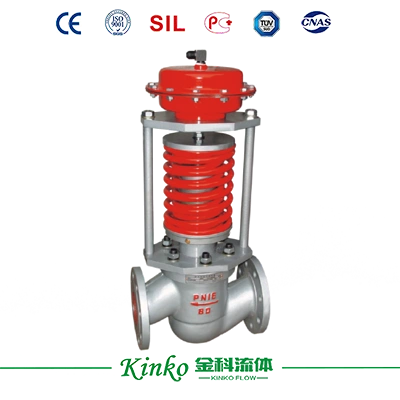
Self-operated Micro Pressure Regulating, Valve / Self-operated Differential Pressure Regulating Valve

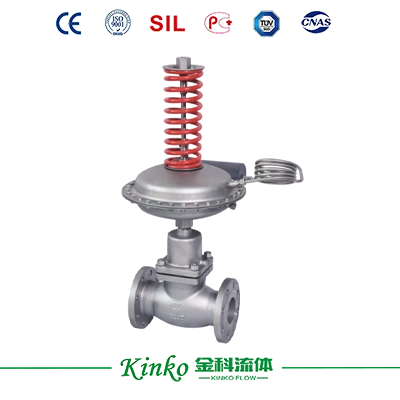
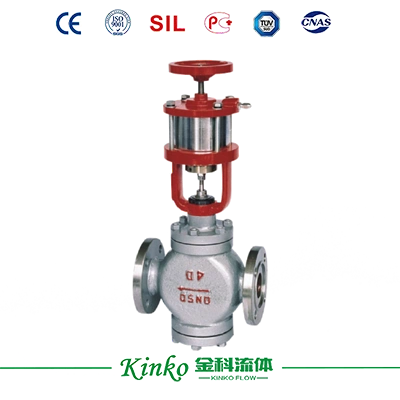
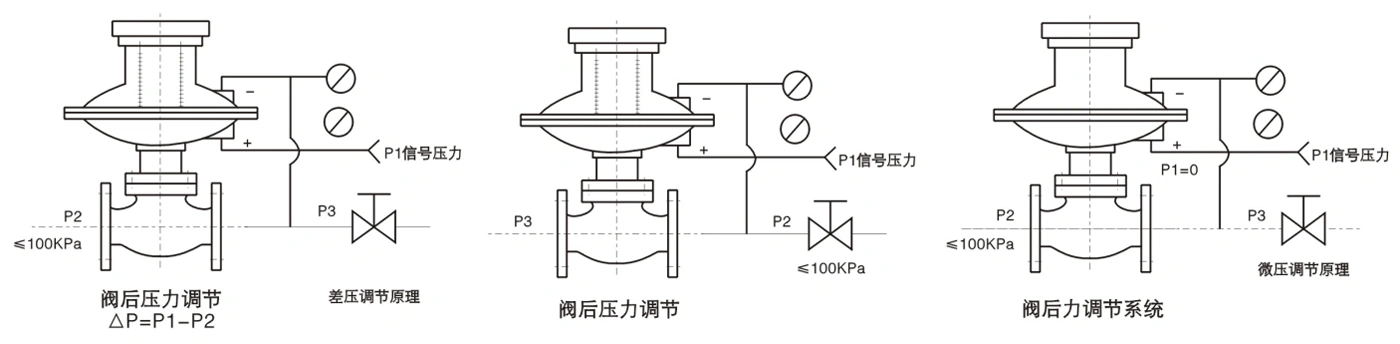
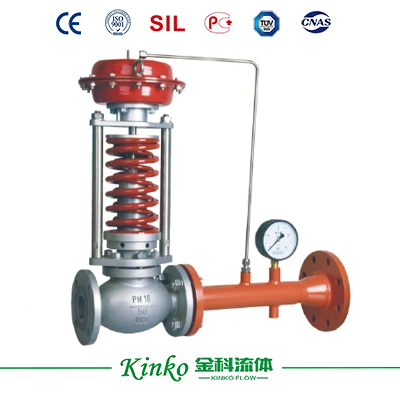
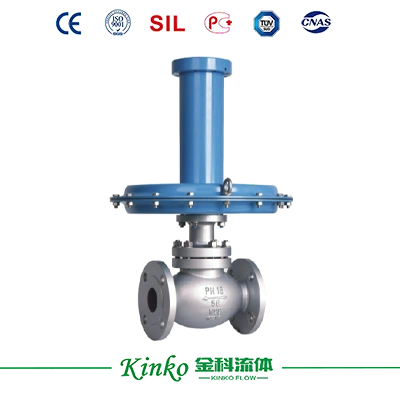
The 215V type self-operated differential pressure valve is a type of valve that can automatically adjust the pressure difference of one or two media without the need for external energy to maintain a constant pressure difference.

Get a Quote
Download Drawings

    Product Overview

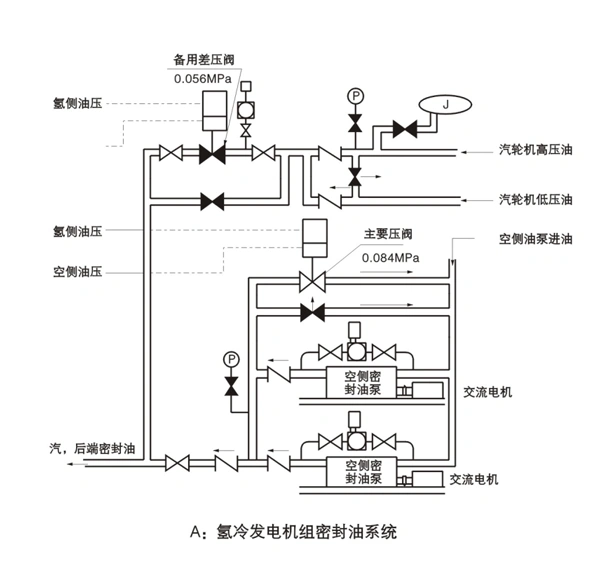
    For example, in the gas combustion system of industrial furnaces, it is used to control the mixing ratio and flow rate of A and B fuels, achieve ideal combustion conditions, save fuel and investment, and can also be used as a pressure reducer, micro pressure regulator for various industrial gases such as gas, natural gas, liquefied petroleum gas, ammonia, nitrogen, oxygen, etc In the differential pressure regulation system. It can also be used in the sealing oil system of hydrogen-cooled generator units to control the pressure difference between the sealing oil and hydrogen gas to ensure reliable sealing.

    The micro pressure valve can replace the 214K type self-operated pressure regulating valve with a command when controlling the front of the valve.

    When the low-pressure end of the differential pressure valve is opened to the atmosphere, it becomes a micro pressure valve (see Figure 2). The main characteristics of the 213 type self-operated differential pressure regulating valve and the 212 type self-operated micro pressure regulating valve are:

    1. For single-seat micro (differential) pressure valves, if the pressure in front of the valve is ≥ 100KPa, install the 3001P self-operated type to reduce the pressure to ≤ 100KPa, so it can be used in particularly low-pressure situations (such as 0.5KPa)

    2. The actuator components are extremely sensitive, and extremely small pressure changes can be sensed.

    3. The pressure adjustment is extremely convenient, and the set value can be adjusted without stopping production.

    Specifications


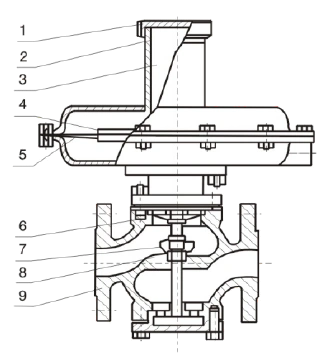
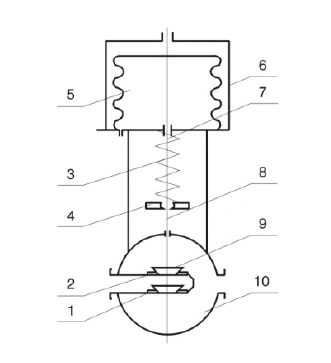
    No. Name Material quality No. Name Material quality
    1 Cover 2Cr13 1 Upper valve seat 1Cr18Ni9Ti
    2 Spring seat 45 2 Lower valve seat 1Cr18Ni9Ti
    3 Spring 60Si2Mn 3 Adjusting disc 2Cr13
    4 Tray 16Cr18Ni9Ti 4 Spring seat 45
    5 Diaphragm Nitrile rubber 5 Corrugated pipe 1Cr18Ni9Ti
    6 Small diaphragm Oil-resistant rubber 6 Outer chamber of actuator Q235
    7 Spool PTFE
    1Cr18Ni9Ti
    7 Push rod 2Cr13
    8 Valve seat ZG230-450 8 Valve stem 1Cr18Ni9Ti
    9 Valve body ZG1Cr18Ni9Ti 9 Spool 1Cr18Ni9Ti
          10 Valve body ZG230-450


    Main technical parameters and performance indicators (Table 1)
    Nominal Diameter DN (mm) 20  25  32  40  50  65  80  100 
    Rated flow coefficient Kv ZZCP/ZZVP 5  8  12.5  20  32  50  80  125 
    ZZCN -
    -

    -

    -
    53  83 
    -
    -
    Rated stroke (mm) 5  6  10  15  20 
    Nominal pressure PN(Mpa) 0.10  1.0
    Differential pressure adjustment range (kPa)
    General design scope
    0.5~5.5 5~10 9~14 13~19
    18~24 22~28 26~33 31~38
    36~44 42~51 49~59 56~66
    64~78 76~90 88~100
    Medium temperature (℃) ≤80
    Adjustment accuracy (%) ≤10
    Permissible leakage (I/h) ZZCP/ZZVP Hard seal 10 x valve Nameplate capacity (Class IV) (GB/T4213-2008)
    Soft sealing: Class VI
    ZZCN 5×10 x valve Nameplate capacity (Class III) (GB/T 4213-2008)

    Determination of the adjustment range of differential (micro) pressure valve


    The segmentation of the differential (micro) pressure adjustment range is shown in Table 1.

    The scope of the control room (control points) should be selected in the interim attachment.


    Determination of the operation mode of the entire machine


    There are two types of differential (micro) pressure regulating valves: B-type and K-type. The initial position of the B-type valve core is usually open, and the opening decreases or even closes when the differential (micro) pressure increases. The initial position of the K-type valve core is usually closed, and the valve opening increases when the differential (micro) pressure increases.


    Application examples


    A. Sealing oil system of hydrogen-cooled generator unit

    B. Fan heating system circulating air volume control machine

    C. Proportional control of two gas flow rates

    D. Pump bypass regulation
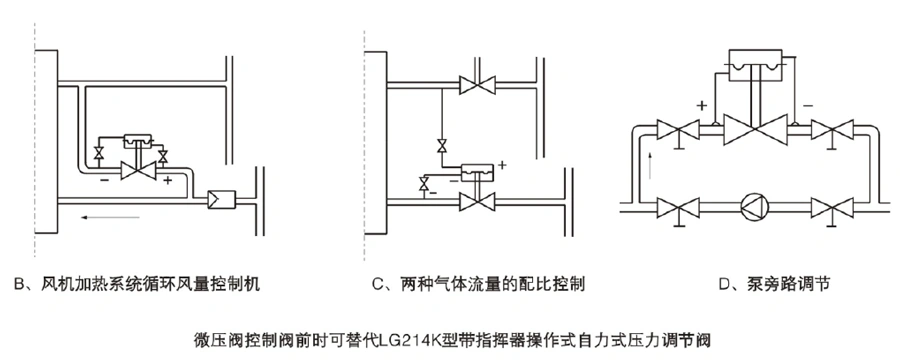
    Application examples

    215V-10B 215V-10K

    2: Self-operated product series

    1: Thin film actuator

    2: Micro pressure products

    1: Single seat structure

    2: Cage structure

    4: Double seat structure

    10: PN1.0MPa

    B: Pressure (differential pressure) increases; valve closed

    K: Pressure (differential pressure) increases; valve opens
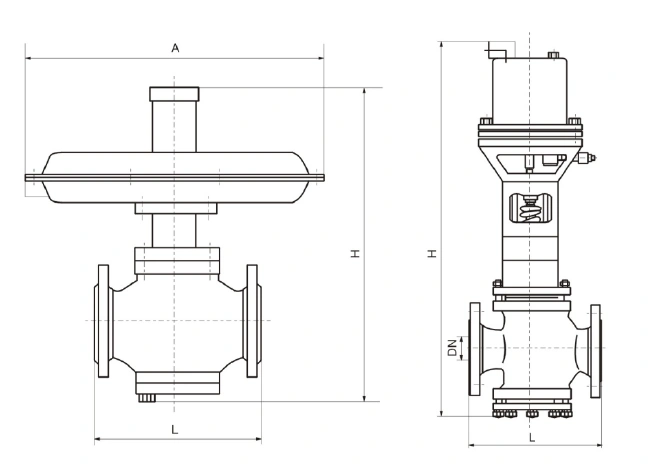


    DN 20  25  32  40  50  65  80  100 
    A 308  394  308  394  308  394  394  394 
    H ZZCP/ZZVP 376  465  365  445  448  490  490  510 
    ZZCN - - - - 536  536  - -
    L ZZCP/ZZVP 150  160  180  200  230  290  310  350 
    ZZVN - - - - 220  222  - -
    Weight (Kg) 12  18  25  32  45  58  68  76 
    Pressure pipe threaded joint M16×1.5


    Ordering Instructions


    Please provide detailed medium parameters (pressure, temperature, status before and after the valve), medium name, valve nominal pressure, nominal diameter, and a detailed diagram of the regulating system (when the system control is complex).

    Downloads

    PDF file icon
    Fluid Control 2026

    Application & Case

    Lorem ipsum dolor sit amet, consectetur adipiscing elit. Aenean euismod bibendum laoreet. Proin gravida dolor sit amet lacus accumsan et viverra justo commodo. Proin sodales pulvinar sic tempor. Sociis natoque penatibus et magnis dis parturient montes, nascetur ridiculus mus. Nam fermentum, nulla luctus pharetra vulputate, felis tellus mollis orci, sed rhoncus pronin sapien nunc accuan eget.

    Discover Our Precision Cleaning Solutions Arrow icon
    Industrial application case study

    Related Recommended Products

    Discover Our Range of Products Built for Your Industry's Challenges
    Contact Us

    Get Technical Support or a Customized Solution

    Do our standard products not meet your needs? Share your operating parameters with us, and the Jinke technical team will provide you with personalized selection recommendations and a customized solution.
    Contact experts
    News & Blog
    The Working Principle of The Regulating Valve
    The Working Principle of The Regulating Valve
    The regulating valve is a key piece of equipment used to accurately control the flow of fluids (gas, liquids, or steam) ...
    2026.09.03
    Learn more
    How to install a straight stroke pneumatic actuator?
    How to install a straight stroke pneumatic actuator?
    The installation of straight-stroke pneumatic actuators should follow strict steps and precautions to ensure their effic...
    2026.08.12
    Learn more
    Introduction To The Stroke and Control Mode of Electric Actuators
    Introduction To The Stroke and Control Mode of Electric Actuators
    According to the movement form, the electric actuator can be divided into straight stroke, angular stroke and multi-turn...
    2026.08.05
    Learn more
    onlineCONTACT
    We value your privacy
    We use cookies to provide you with a better online experience, analyse and measure website usage, and assist in our marketing efforts.
    Accept All
    Don't Accept